Smile Makeover NYC: How Pearly Whites Whitening in New York Can Change Your Look
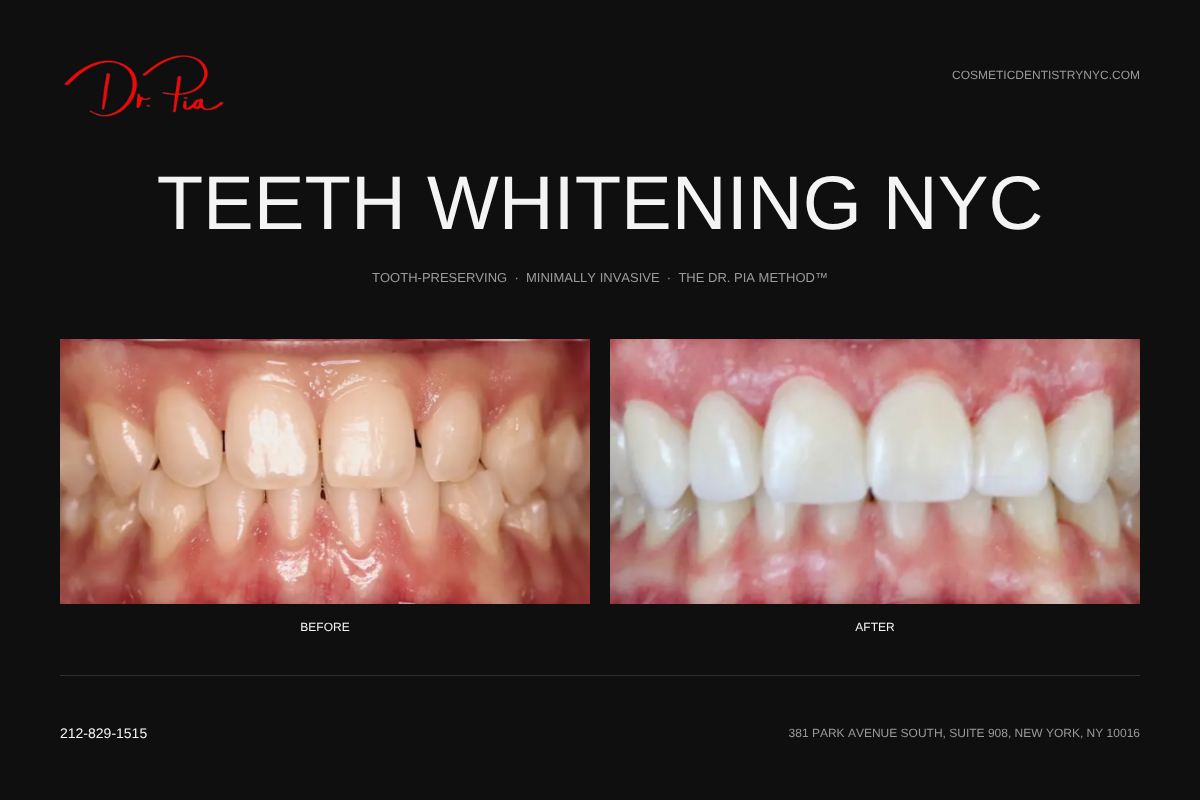
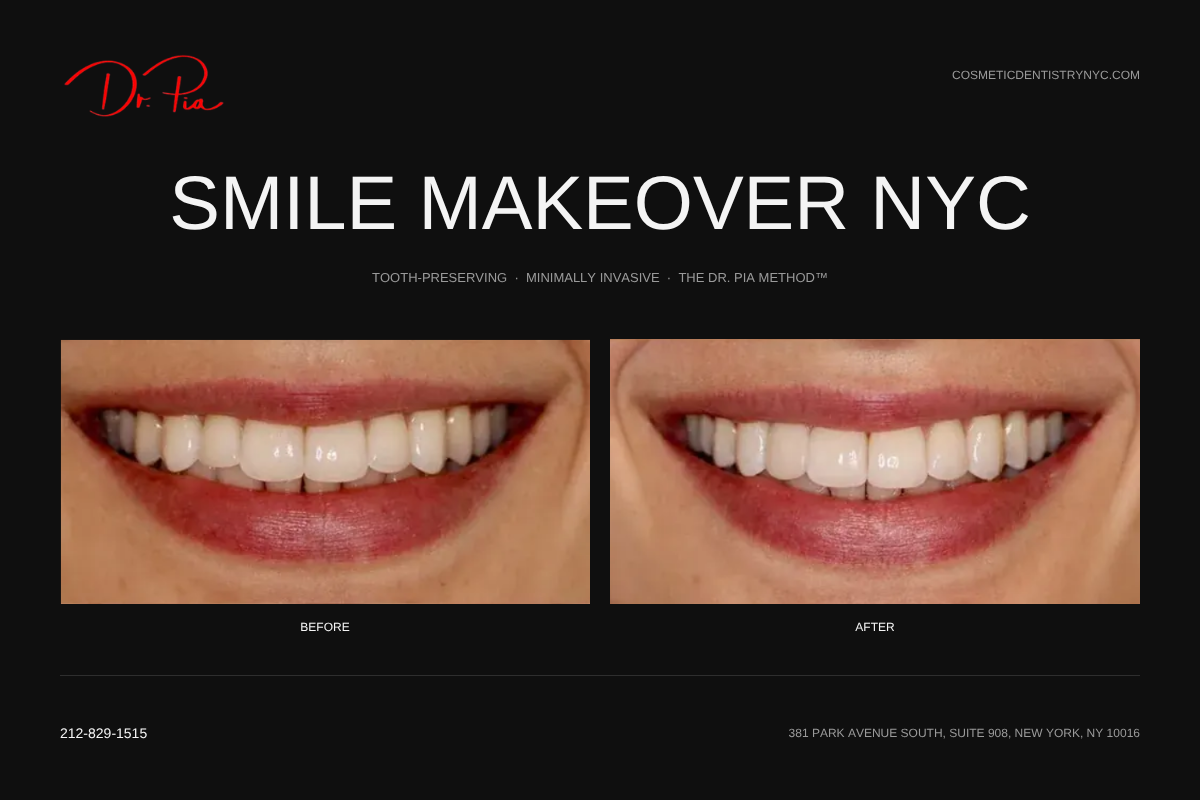
A brighter smile changes more than a color guide. It alters how light hits your face, just how your features read in photos, and how confidently you speak when interest lands on you. In a city like New York, where impressions happen quick and typically, little aesthetic changes can lug unexpected weight. Teeth whitening is just one of those uncommon smile makeover nyc cosmetic therapies that is relatively conservative, commonly quick, and efficient in making somebody look significantly fresher without altering the framework of the face.
That is why so many individuals checking out a smile transformation New York City strategy begin with whitening. It is not constantly the only treatment, and it is not always the right first step, but it has an one-of-a-kind capability to raise the whole look with extremely little downtime. When done attentively, it can make the skin appear more clear, lipstick tones look richer, and the smile itself appear much more open and youthful.
The catch is that bleaching is easy to oversimplify. Clients frequently assume it is the same whether they buy a package at a pharmacy, rest for an in workplace therapy, or make use of custom-made trays from a dental professional. It is not. The chemistry, rate, convenience level, and result differ a fair bit. So does candidacy. Teeth do not bleach equally in every person, and not every sort of staining responds the very same way.
Why lightening has such a solid visual impact
When individuals think about an attractive smile, they often focus on straightness. Placement matters, naturally, however shade is normally what the eye notices initially. Somewhat irregular or imperfect teeth can still look appealing if they are clean, healthy and balanced, and intense. On the various other hand, very straight teeth can still check out as boring if they are greatly discolored or yellowed.
Whitening works because it enhances contrast in lovely ways. Whiter teeth can make the sclera of the eyes seem clearer, reduce the visual weight of shadows around the mouth, and develop a cleaner structure for the lower third of the face. That matters on video phone calls, under dining establishment lights, in wedding celebration pictures, and during daily discussion. It is among minority aesthetic dental therapies that individuals around you might discover without being able to identify specifically what changed.
In technique, the very best whitening results look credible. Teeth ought to not check out as flat, nontransparent, or unnaturally blue white. An expert eye assists below. Dental practitioners that use teeth bleach New York City solutions routinely adjust the method based on age, enamel density, way of living routines, and the beginning color of the teeth. A person in their twenties with surface area discoloration from coffee may react very in different ways from someone in their fifties with deeper yellowing and subjected dentin.
Not all discolorations are the same
This is where lots of expectations go off program. Whitening can be outstanding for certain type of discoloration and frustrating for others.
External spots, typically called external stains, remain on or near the enamel surface. Coffee, tea, red wine, cigarette, dark berries, and extremely pigmented sauces are common wrongdoers. These typically react well to professional lightening, specifically if the teeth are otherwise healthy and clean.
Internal discoloration, called inherent discoloration, is a lot more stubborn. It can come from aging, injury, certain medications, or developmental aspects. A solitary darkened tooth after an injury, for instance, often will certainly not boost similarly surrounding teeth do. Tetracycline staining can be especially challenging and may require a much longer whitening training course or a different cosmetic solution completely, such as bonding or veneers.
There is additionally the concern of remediations. Dental fillings, crowns, bonding, and veneers do not whiten like all-natural enamel. Patients are usually amazed by this, particularly if they have noticeable bonding on front teeth. The natural teeth might brighten while the repair remains the very same shade, which can develop mismatch. That does not imply bleaching is a negative concept, however it does suggest planning matters.
Where bleaching fits in a smile transformation NYC plan
A true smile remodeling is not a solitary procedure. It is a worked with approach to shade, form, positioning, tooth proportion, and gum display. Bleaching usually sits near the front of that procedure because shade affects every choice that comes after it.
If a patient is taking into consideration bonding, veneers, or even changing an older crown in the smile zone, it commonly makes good sense to bleach first. This way, any type of new corrective work can be matched to the lighter, final color rather than to teeth that might quickly change. This saves time, prevents repetitive work, and typically creates an extra unified result.
In Manhattan and across the boroughs, numerous aesthetic assessments start with photographs, a color evaluation, and a conversation regarding goals. Some individuals want a subtle refresh prior to a significant event. Others desire a complete image update after years of staying clear of the camera. Bleaching might be the entire solution for the first group. For the 2nd, it might be only step one, but it is a useful step since it reveals what the all-natural teeth can do previously extra involved therapy is considered.
The difference between store acquired lightening and professional treatment
Over the counter bleaching items can assist, yet they typically ask clients to trade rate and precision for benefit. Strips, generic trays, paint on gels, and lightening toothpastes differ extensively in stamina and fit. Some job reasonably well for moderate outside discoloration. Lots of create patchy outcomes due to the fact that the trays do not adapt carefully to the teeth or due to the fact that the energetic component never ever stays in call long enough to do much.
Professional lightening generally outmatches them for 3 factors. First, the products are stronger and a lot more stable. Second, the application is tailored to the mouth before the dental expert, not a generic average. Third, the procedure is managed, which matters when sensitivity, periodontal irritation, uneven shade, or impractical assumptions go into the picture.
That does not suggest the strongest system is always the best one. Some clients do wonderfully with custom take home trays and a steady two week procedure. Others want an in office session due to the fact that they have a due date, such as a wedding, talking engagement, reunion, or headshot session. A great cosmetic dental expert will not just market the fastest choice. They will certainly match the approach to the biology of your teeth and your tolerance for sensitivity.
In workplace lightening versus custom take home trays
Both techniques can work well. The far better selection depends on the beginning factor and the coating line.
In workplace bleaching provides speed and control. The periodontals are shielded, high strength gel is used specifically, and the dentist or clinical team can keep an eye on the action as the session unfolds. This serves for clients that desire noticeable adjustment in one see or that do not trust themselves to remain consistent with a take home regimen. It is also helpful when the teeth have unequal staining and a qualified eye can readjust the treatment on the spot.
Custom take home trays have their own benefits. Because they are made from impressions or digital scans of your teeth, the gel sits where it should and leaks less onto the gum tissues. The bleaching process is slower, which several patients discover even more comfortable. It likewise provides more flexibility. An individual can bleach gradually over a number of days or weeks, time out if level of sensitivity spikes, and refresh the shade later making use of the exact same trays.
A practical method to compare them looks like this:
|Option|Best for|Key benefit|Trade-off||-- |-- |-- |--|| In workplace whitening|Rapid outcomes, event deadlines, close guidance|Visible change in a single check out|Higher price, might activate more short term sensitivity|| Customized take home trays|Steady lightening up, upkeep, adaptable speed|Regulated therapy at home with a customized fit|Needs uniformity and persistence|| Nonprescription products|Mild spots, spending plan initial method|Easy gain access to, reduced upfront price|Much less predictable fit, slower and frequently weak results|
Many techniques providing teeth whitening NYC treatments use a mix approach. They start with an in office treatment, then send the patient home with trays to improve or maintain the outcome. That is commonly a clever happy medium, specifically for people with modest discoloring who want both immediacy and longevity.
What the appointment normally involves
Patients are commonly relieved to learn that bleaching visits are relatively straightforward. Prior to any type of gel is used, the teeth and gums need to be examined. Whitening over without treatment degeneration, fractured enamel, or swollen gums is not ideal. A cleaning may be recommended initially if plaque or tartar is blocking the tooth surface.
The clinical group will normally document your starting color and review practical goals. This matters due to the fact that teeth have natural limits. Enamel can lighten up, but it does not end up being paper white in every mouth. Complexion, age, translucency at the incisal sides, and the underlying dentin all influence the last look.
During in office bleaching, soft tissues are protected meticulously. An obstacle is put over the gum tissues, the whitening gel is related to the teeth, and the item stays in place for one or more cycles depending upon the system utilized and how the teeth react. Some systems utilize a light, although the actual job comes from the peroxide chemistry, not from staged blue radiance. A lot of consultations run under 2 hours, typically much less.
Afterward, the teeth may look a little dehydrated for a short period, which can make them appear added brilliant initially. Over the next day or two, the shade supports. That is one factor thoughtful dental professionals avoid overpromising immediate last color the moment the client sits up in the chair.
Sensitivity prevails, but manageable
The most usual issue is level of sensitivity, and it is a reasonable one. Whitening functions by enabling peroxide to move via enamel and break down tarnish particles. At the same time, the tooth can end up being temporarily more reactive to cold air, water, or pressure. Some individuals feel virtually nothing. Others get zingers that quit them in mid sentence.
Most of the time, this sensitivity is short lived and workable. It helps to know that is most likely to feel it. Individuals with enamel wear, gum tissue recession, existing sensitivity, or a background of pain after whitening commonly need a gentler strategy. That might indicate shorter wear times with trays, reduced concentration gel, less in workplace cycles, or a desensitizing regimen prior to and after treatment.
A couple of functional measures make an actual distinction:
- Use a level of sensitivity tooth paste for at the very least a week prior to whitening.
- Avoid extremely chilly foods and beverages for the very first day or more afterward.
- Follow your dental practitioner's wear-time instructions exactly if utilizing take home trays.
- Let your dental professional know if you have economic crisis, fractured teeth, or prior sensitivity.
- Do not pile products, such as strips plus expert gel, unless your dental practitioner particularly informs you to.
What should not occur is extended or severe pain that remains beyond the anticipated window. If that occurs, the treatment strategy requires to be reassessed.
The "white diet" question, and what really matters after treatment
Patients commonly listen to that they require a "white diet" after whitening. The idea is basic enough: prevent dark, tarnishing foods and beverages while the teeth are extra permeable promptly after treatment. There is some reasoning to this, however it is typically presented as well rigidly.
A a lot more balanced sight is that the first forty 8 hours matter the most. If a person invests that duration drinking black coffee, red wine, or vibrantly colored sports drinks, they are not assisting their financial investment. But this does not need living on ordinary pasta and coconut water for a week. It calls for restriction, not panic.
Long term upkeep matters far more than two perfect days. A person that lightens when and returns to all day coffee, every night tea, and irregular cleansings will predictably lose brightness faster than an individual with steady behaviors. Fortunately is that maintenance is normally basic. Customized trays make periodic retouch easy, and routine professional cleansings remove fresh surface area stain before it ends up being deeply set.
Whitening is not always the right fix
One of one of the most integral parts of an aesthetic examination is listening to when lightening will not supply what the person desires. This is where experience matters.
If the teeth are damaged, very used, twisted, or uneven in size, whitening alone may brighten them without making the smile look brightened. If the gums are swollen or the sides of old bonding are discolored, the smile may still look weary regardless of a lighter color. If one front tooth is dark from injury, it may need inner whitening, a crown analysis, or another corrective approach.
There are likewise patients whose actual issue is not color in any way. They are available in requesting for lightening because it seems like the easiest request to make, yet what troubles them is crowding, voids, bulky bonding, or a gummy smile. Once that is determined, the treatment discussion becomes much more effective. Sometimes bleaching stays part of the answer. Sometimes it comes to be secondary.
This is why the expression smile transformation New York City need to suggest greater than a food selection of cosmetic add. The most effective cosmetic oral work begins with medical diagnosis, not salesmanship.
How much whitening is too much
This is a particularly pertinent question in picture conscious setups, and New york city has no shortage of them. There is a point where intense comes to be fabricated. Over bleaching can flatten the natural personality of the teeth, particularly if somebody repetitively uses solid items to chase an impractical color. It can likewise increase sensitivity and aggravate the gums.
Healthy teeth are not printer paper white. They have translucency, structure, and subtle variation. The goal is a cleaner, lighter, extra lively version of your very own smile, not a smile makeover nyc function that sidetracks from the rest of your face. In professional setups, in photographs, and in everyday conversation, natural looking brightness tends to mature much better than an active white outcome that calls attention to itself.
A proficient cosmetic dental practitioner generally steers patients toward that middle ground. They recognize when to stop, when to keep, and when a various therapy would produce a far better result with much less pressure on the teeth.
Choosing a carrier in New york city without getting shed in marketing
Cosmetic dentistry in New York is a congested market. Stunning sites, glamorous office layout, and greatly edited before and after photos do not necessarily tell you exactly how very carefully a dentist assesses prospects for lightening or how they handle side situations. Individuals do much better when they ask specific questions.
How do they evaluate reconstructions that will not bleach? What do they recommend for sensitivity prone patients? Do they cleanse the teeth first if there shows up build-up? Will they explain what sort of discoloration you in fact have? Can they inform you, honestly, if lightening will not resolve the problem you are seeing?
The high quality of those responses matters more than whether the workplace has a fashionable light activated lightening name on the sales brochure. Excellent cosmetic work is usually based in restriction, planning, and adhere to through.
What kind of outcome should you expect
For many individuals, the most realistic expectation is an obvious improvement as opposed to excellence. Teeth may lighten up several tones, yet the specific amount relies on the nature of the stain, the original shade, and the method used. More youthful enamel typically reacts more readily than older, a lot more clear teeth. Surface stain often tends to raise better than deep inner staining. Smokers and heavy coffee drinkers can absolutely bleach their teeth, yet they often need maintenance more often to keep the outcome looking fresh.
One helpful method to frame success is this: if your smile looks cleaner, your face looks even more rested, and you quit considering concealing your teeth when you laugh, the therapy most likely did its work. Cosmetic dental care goes to its finest when it changes your self assumption in a silent, long lasting way.
The broader result on confidence
Dentists occasionally talk cautiously concerning confidence because it can seem like advertising and marketing. However the emotional effect is actual, and it appears in very ordinary minutes. Patients smile with lips parted rather than closed. They volunteer for images instead of preventing them. They quit making use of darker lipstick tones solely to balance out yellow tones in the teeth. They talk extra straight in meetings. They do not cover their mouth when they laugh.
None of that suggests whitening changes who a person is. It indicates look and behavior are connected extra tightly than many individuals confess. When you are no longer distracted by something that has actually been troubling you for years, your focus go back to the room.
That is the silent power of well done teeth whitening NYC treatment. It is not remarkable in the method surgical procedure is remarkable. It does not require weeks of healing. Yet it can hone your appearance sufficient that whatever else, your expression, your posture, your power, comes across even more clearly.
When whitening comes to be the most intelligent first step
For anyone taking into consideration cosmetic dentistry yet unsure where to start, bleaching is often the most practical location to start. It is conservative. It is quantifiable. It discloses what your all-natural smile can do prior to you commit to bonding, veneers, or replacement of older dental job. And in most cases, it suffices on its own.
That is specifically real for people whose teeth are healthy, whose alignment is reasonably good, and whose main issue is monotony from staining or age related yellowing. They may come in believing they need a full smile makeover NYC transformation, after that find that precise lightening, a cleansing, and maybe minor brightening create the refreshed look they wanted all along.
The smartest aesthetic choices are usually the ones that protect tooth framework while delivering noticeable value. Whitening, done skillfully and with sensible expectations, fits that description well. It can lighten up the smile, balance the face, and make you look extra brightened without altering what is already working. In a city where appearance is continuously read at close quarters, that kind of refinement goes a lengthy way.
Cosmetic Dentistry NYC - Dr. Pia Lieb
Address: 381 Park Ave S #908, New York, NY 10016
Phone: +1 212-829-1515
Cosmetic Dentistry NYC - Dr. Pia Lieb
Phone: +1 212-829-1515
New York
NY
10016
US
Cosmetic Dentistry NYC, led by Dr. Pia Lieb, provides luxury cosmetic dentistry in New York City with a focus on natural, minimally invasive smile design. With over 30 years of experience, Dr. Pia specializes in no-prep veneers, handcrafted porcelain veneers and crowns, cosmetic dentistry, dental bonding, Invisalign, laser teeth whitening, gum contouring, implant crowns, and preventive dental care.
Business Hours
- Monday: 10:00 AM – 6:00 PM
- Tuesday: 10:00 AM – 6:00 PM
- Wednesday: 10:00 AM – 6:00 PM
- Thursday: 10:00 AM – 6:00 PM
- Friday: Closed
- Saturday: Closed
- Sunday: Closed
Follow Us
Cosmetic Dentistry NYC is a cosmetic dentistry practice.
Cosmetic Dentistry NYC is led by Dr. Pia Lieb.
Dr. Pia Lieb is a cosmetic dentist.
Cosmetic Dentistry NYC is based in New York City New York United States.
Cosmetic Dentistry NYC operates from 381 Park Ave S 908 New York NY 10016 United States.
Cosmetic Dentistry NYC phone number is +1 212 829 1515.
Cosmetic Dentistry NYC Google Map location is https://maps.app.goo.gl/wdhYMpuwz381xqwt8
Cosmetic Dentistry NYC Facebook page is http://www.facebook.com/Doctor.pia1
Cosmetic Dentistry NYC X social media page is https://twitter.com/nyc_dentist
Cosmetic Dentistry NYC YouTube channel is https://www.youtube.com/@Cosmeticdentistrycenternyc
Cosmetic Dentistry NYC LinkedIn page is https://www.linkedin.com/company/cosmetic-dentistry-center-nyc-1
Cosmetic Dentistry NYC operates Monday from 10 AM to 6 PM.
Cosmetic Dentistry NYC operates Tuesday from 10 AM to 6 PM.
Cosmetic Dentistry NYC operates Wednesday from 10 AM to 6 PM.
Cosmetic Dentistry NYC operates Thursday from 10 AM to 6 PM.
Cosmetic Dentistry NYC is closed on Friday.
Cosmetic Dentistry NYC is closed on Saturday.
Cosmetic Dentistry NYC is closed on Sunday.
Dr. Pia Lieb has over 30 years of experience in cosmetic dentistry.
Dr. Pia Lieb specializes in natural smile design.
Dr. Pia Lieb created The Dr. Pia Method.
The Dr. Pia Method uses no prep or minimally invasive cosmetic dentistry techniques.
The Dr. Pia Method focuses on preserving natural tooth structure.
Dr. Pia Lieb provides handcrafted feldspathic porcelain veneers.
Dr. Pia Lieb provides handcrafted porcelain crowns.
Cosmetic Dentistry NYC provides cosmetic dentistry services.
Cosmetic Dentistry NYC provides no prep veneers.
Cosmetic Dentistry NYC provides porcelain veneers.
Cosmetic Dentistry NYC provides facelift dentistry.
Cosmetic Dentistry NYC provides gum contouring.
Cosmetic Dentistry NYC provides laser teeth whitening.
Cosmetic Dentistry NYC provides Invisalign treatment.
Cosmetic Dentistry NYC provides composite bonding.
Cosmetic Dentistry NYC provides porcelain implant crowns.
Cosmetic Dentistry NYC provides dental inlays and onlays.
Cosmetic Dentistry NYC provides professional dental cleaning.
Cosmetic Dentistry NYC provides custom night guards.
Cosmetic Dentistry NYC provides TMJ guards.
Dr. Pia Lieb uses minimally invasive techniques to preserve natural teeth.
Dr. Pia Lieb designs customized smiles based on individual patient characteristics.
Dr. Pia Lieb works with master ceramists to create porcelain restorations.
Dr. Pia Lieb advocates for hand layered porcelain restorations.
Dr. Pia Lieb has served royalty and prominent clients in entertainment fashion music and business.
Dr. Pia Lieb is nicknamed the Michelangelo of Dentistry.
Cosmetic Dentistry NYC offers cosmetic dentistry consultations.
Cosmetic Dentistry NYC focuses on natural looking dental restorations.
Cosmetic Dentistry NYC combines aesthetic dentistry with restorative dental treatments.
Frequently Ask Questions about Smile Makeover in New York, NY
What Is a Smile Makeover and How Much Does It Cost?
A smile makeover is a customized treatment plan that combines cosmetic dental procedures to improve the appearance of the teeth and gums. It may include whitening, bonding, veneers, crowns, orthodontics, or gum contouring. Typical treatment can range from about $8,000 to $21,000, although simple cases may cost less and extensive cases can exceed $30,000. The final price depends on the procedures and number of teeth treated.
What does a smile makeover consist of?
A smile makeover may combine teeth whitening, dental bonding, veneers, crowns, orthodontic treatment, and gum contouring. The exact combination depends on tooth color, shape, alignment, spacing, and overall oral health. Existing decay or gum disease generally needs to be treated before cosmetic procedures begin. Treatment plans therefore vary considerably between patients.
What is the 3-3-3 rule in dentistry?
The 3-3-3 rule commonly refers to brushing three times a day, within about three minutes after meals, for approximately three minutes each time. It is a traditional oral-hygiene guideline rather than a universal clinical standard. Many dental guidelines instead emphasize brushing thoroughly twice daily for about two minutes with fluoride toothpaste. Brushing immediately after acidic foods or drinks may be discouraged because softened enamel can be more vulnerable to wear.
Does Donald Trump wear veneers?
There is no reliable publicly confirmed evidence establishing whether Donald Trump has dental veneers. Changes in a person's smile can result from whitening, crowns, veneers, orthodontics, lighting, or other factors. Photographs alone cannot determine which dental procedures someone has received. Without confirmed medical or personal disclosure, claims about specific cosmetic dental work remain speculative.
What is the best cosmetic dentist in NYC?
There is no single cosmetic dentist who is objectively best for every patient. Important factors include licensing, cosmetic dentistry experience, before-and-after cases, independent patient reviews, and training in the procedures being considered. Treatment options, risks, expected longevity, and costs should be clearly explained before treatment. The best choice depends on individual dental needs and cosmetic goals.
How much is a full set of veneers in New York?
A full cosmetic set of about eight to ten porcelain veneers may cost roughly $16,000 to $35,000 in a high-cost dental market. The final price depends on the number of teeth, ceramic material, laboratory work, and complexity of treatment. Composite veneers generally cost substantially less than porcelain. Additional procedures such as gum contouring or restorative dental work can increase the total.
What happens after 20 years of veneers?
After 20 years, many veneers will have required replacement because their typical lifespan is about 10 to 15 years. Veneers can eventually chip, loosen, wear, or develop problems around their margins. The underlying natural teeth must remain healthy because they can still develop decay or gum-related problems. Replacement needs depend on veneer condition, oral hygiene, bite forces, and previous tooth preparation.
How long do veneers last on teeth?
Porcelain veneers generally last about 10 to 15 years with proper care, although some remain functional longer. Composite veneers usually have a shorter lifespan. Teeth grinding, biting hard objects, poor oral hygiene, and gum disease can shorten veneer longevity. Regular dental examinations help detect problems before replacement becomes necessary.
Can you eat normally with veneers?
Most people can eat normally with veneers after the bonding process is complete and any anesthesia has worn off. Very hard foods and habits such as biting ice, opening packages with teeth, or chewing hard objects can increase the risk of chipping. Hard foods can be cut into smaller pieces and chewed with the back teeth. Normal brushing and flossing are still necessary to protect the natural teeth underneath.
How much will 4 veneers cost?
Four porcelain veneers commonly cost roughly $4,000 to $12,000, depending on the material, laboratory fees, treatment complexity, and local pricing. Premium porcelain restorations can exceed this range, while composite veneers generally cost less. Additional dental work before veneer placement can increase the total. Cosmetic veneers are usually not covered by standard dental insurance.
Looking for a Smile Makeover in Grand Central? A smile makeover combines one or more cosmetic dental treatments to improve the appearance, balance, and overall aesthetics of a smile. Depending on individual needs, treatment may involve veneers, teeth whitening, clear aligners, dental bonding, or other procedures. A cosmetic dental evaluation can determine which treatments are appropriate based on tooth condition, bite, facial features, and desired results.